What Is a TCA Peel and Is It Right for Your Skin?
Chemical peels have been used for decades to improve skin texture, tone, and overall clarity. Among the many types available today, the TCA Peel stands out as a powerful option for people looking to address deeper skin concerns. But what exactly is a TCA peel, how does it work, and is it the right choice for everyone?This article breaks it all down in a clear, friendly, and expert-backed way—so readers can decide whether a TCA peel fits their skin goals and comfort level.
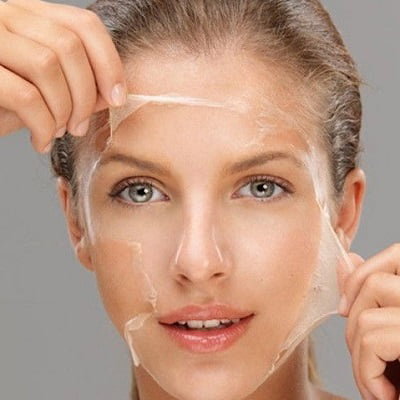
Understanding a TCA Peel
A TCA Peel, short for Trichloroacetic Acid peel, is a type of chemical peel that penetrates deeper into the skin compared to superficial peels. It works by applying a controlled concentration of trichloroacetic acid to the skin, which causes the outer layers to exfoliate and eventually peel away.As the skin heals, new and healthier skin cells replace the old ones. This regeneration process helps improve the appearance of various skin issues, including uneven tone, fine lines, and stubborn discoloration.TCA peels are often categorized as medium-depth peels, though the depth can vary depending on the concentration used and how the skin responds.
How a TCA Peel Works on the Skin
The science behind a TCA peel is fairly straightforward. Trichloroacetic acid causes a controlled injury to the skin’s surface layers. While that may sound intense, this process triggers the body’s natural healing response.Here’s what happens step by step:
- The acid breaks down dead and damaged skin cells
- The top layers of skin begin to shed over several days
- New skin forms underneath with improved texture and tone
- Collagen production may increase, enhancing firmness over time
Unlike mild exfoliating treatments, a TCA peel reaches deeper layers of the skin, which is why it delivers more noticeable results—but also requires more downtime.
Skin Concerns a TCA Peel Can Address
One of the biggest reasons people consider a TCA peel is its versatility. It can help improve a range of common skin concerns, especially those that don’t respond well to lighter treatments.
Common issues treated with a TCA Peel include:
- Hyperpigmentation and sun damage
- Acne scars and post-acne marks
- Fine lines and early wrinkles
- Uneven skin tone and rough texture
- Age spots and melasma (in select cases)
Because the TCA peel works below the surface, it is often chosen by individuals seeking more dramatic and longer-lasting results.
What to Expect During and After a TCA Peel
Knowing what the experience involves can help set realistic expectations and reduce anxiety.
During the Treatment
The peel solution is applied evenly across the skin. A warming or stinging sensation is common and usually lasts a few minutes. The skin may turn white or “frost,” which is a normal reaction indicating that the acid is working.
After the Treatment
The recovery process is where patience is required. Over the next several days:
- The skin may feel tight and look red
- Peeling and flaking typically begin within 2–4 days
- Visible peeling can last up to a week or more
- New skin gradually appears smoother and brighter
Sun protection and gentle skincare are essential during this phase to support healing and prevent complications.
Is a TCA Peel Right for Every Skin Type?
While a TCA peel can be highly effective, it is not ideal for everyone. Skin type, tone, and overall sensitivity all play a role in determining suitability.
A TCA Peel May Be a Good Option If:
- The skin has moderate sun damage or discoloration
- Acne scarring or texture issues are a concern
- Over-the-counter or superficial treatments haven’t worked
- There is willingness to accept downtime for better results
It May Not Be Ideal If:
- The skin is extremely sensitive or prone to irritation
- There is a history of poor wound healing or keloid scarring
- The individual cannot avoid sun exposure during recovery
- Expectations are for instant results without downtime
Darker skin tones may require extra caution, as deeper peels carry a higher risk of post-inflammatory hyperpigmentation if not managed carefully.
Benefits and Potential Risks of a TCA Peel
Like any advanced skincare treatment, a TCA peel comes with both benefits and considerations.
Potential Benefits
- Noticeable improvement in skin tone and clarity
- Reduction in fine lines and pigmentation
- Smoother texture and refined appearance
- Long-lasting results compared to superficial peels
Possible Risks and Side Effects
- Temporary redness, swelling, or discomfort
- Peeling that may look intense during healing
- Risk of pigmentation changes if aftercare is not followed
- Infection or scarring in rare cases
Proper preparation and diligent aftercare significantly reduce the likelihood of complications.
Preparing for a TCA Peel and Aftercare Tips
Preparation and aftercare can make or break the results of a TCA peel.
Before the Peel
- Avoid sun exposure and tanning
- Stop using retinoids or strong exfoliants as advised
- Keep the skin hydrated and healthy
- Follow any pre-treatment instructions carefully
After the Peel
- Do not pick or peel the skin manually
- Use gentle cleansers and moisturizers only
- Apply broad-spectrum sunscreen daily
- Avoid heat, sweating, and direct sun exposure
- Be patient and allow the skin to heal naturally
The results continue to improve over several weeks as collagen rebuilds and skin tone evens out.
FAQs About TCA Peel
1. How long do the results of a TCA peel last?
Results can last several months to years, depending on skin type, sun exposure, and skincare habits. Maintenance treatments and good sun protection help extend results.
2. Is a TCA peel painful?
Discomfort is usually mild to moderate and short-lived. A stinging or burning sensation may occur during application, followed by tightness during healing.
3. How long is the downtime after a TCA peel?
Most people experience visible peeling for about 5–10 days. Redness may persist slightly longer but can usually be covered with makeup once peeling stops.
4. Can a TCA peel be used for acne scars?
Yes, a TCA peel can help reduce the appearance of shallow acne scars and post-acne marks by encouraging skin renewal.
5. How many TCA peel sessions are needed?
Some people see results after one session, while others may need multiple treatments spaced several weeks apart, depending on their goals.
6. Can a TCA peel be done at home?
Due to its strength and risk of complications, a TCA peel is generally not recommended as a DIY treatment. Professional oversight helps ensure safety and optimal results.
Final Thoughts: Is a TCA Peel Worth Considering?
A TCA Peel can be a game-changer for individuals dealing with stubborn skin concerns that go beyond the surface. Its ability to resurface and rejuvenate the skin makes it a popular option for those seeking visible, long-term improvement.However, it is not a one-size-fits-all solution. Understanding the process, accepting the downtime, and following proper aftercare are key to achieving safe and satisfying results. For readers willing to invest time in healing, a TCA peel may offer a clearer, smoother, and more refreshed complexion—making it a treatment worth thoughtful consideration.
