What Is Liposuction Surgery and How Does It Work?
Liposuction Surgery is a cosmetic procedure designed to remove stubborn pockets of excess fat from specific areas of the body. It is commonly considered by people who have areas of fat that do not respond well to regular exercise and a balanced diet. Although liposuction can improve body contours and create a more proportionate appearance, it is important to understand that it is not a treatment for obesity or a replacement for healthy lifestyle habits.The procedure has been performed for many years and has evolved with improvements in surgical techniques, equipment, anesthesia, and patient care. Modern liposuction focuses on controlled fat removal while aiming to preserve surrounding tissues and create natural-looking body contours.For anyone considering Liposuction Surgery, understanding how the procedure works, who may be suitable, what recovery involves, and what results can realistically be expected can make the decision-making process easier.
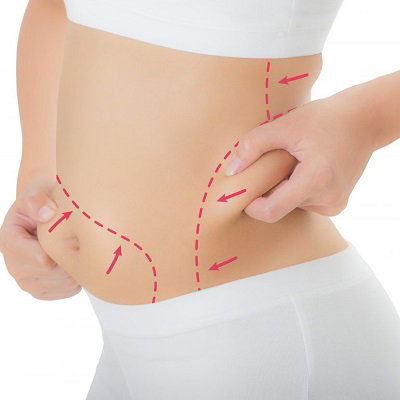
What Is Liposuction Surgery?
Liposuction Surgery is a body-contouring procedure in which unwanted fat deposits are physically removed from selected areas of the body. Unlike weight-loss treatments that aim to reduce overall body weight, liposuction is generally intended to reshape particular areas where localized fat has accumulated.Common treatment areas can include the abdomen, waist, hips, thighs, arms, back, buttocks, chin, and other areas where excess fat may affect body proportions. The exact areas treated depend on the individual's anatomy, goals, overall health, and assessment by a qualified medical professional.During the procedure, a surgeon typically makes small incisions in or near the treatment area. A thin tube called a cannula is inserted through these openings. The cannula is moved carefully through the fatty tissue while controlled suction removes the targeted fat cells.Because the procedure physically removes fat cells from the treated area, the resulting contour can be long-lasting. However, the remaining fat cells can still enlarge if a person gains significant weight after surgery. Maintaining a stable weight and healthy lifestyle therefore remains important after treatment.
How Does Liposuction Surgery Work?
The basic principle behind Liposuction Surgery is the controlled removal of excess subcutaneous fat, which is the fat located beneath the skin and above the muscles.Before surgery, the treatment areas are assessed and marked. The medical team also discusses the individual's medical history, medications, allergies, previous procedures, and desired outcome. This planning stage is important because effective liposuction is not simply about removing as much fat as possible. Instead, the goal is usually to create a smoother and more balanced contour.Depending on the technique and treatment area, a fluid solution may be introduced into the fatty tissue. This can help prepare the area for fat removal and may reduce bleeding and discomfort during the procedure.The surgeon then uses a cannula to loosen and suction away targeted fat. Different liposuction techniques may use different forms of energy or specialized equipment to assist with fat removal. The appropriate technique depends on factors such as the treatment area, amount of fat, skin condition, and surgical plan.Once the desired amount of fat has been removed, the incisions may be closed or allowed to heal according to the surgical approach. Compression garments are often recommended during recovery to support the treated areas and help manage swelling.
Who May Be a Suitable Candidate?
Liposuction Surgery is generally intended for adults who have localized fat deposits and are in reasonably good overall health. A person may consider the procedure when certain areas remain resistant to diet and exercise despite consistent lifestyle efforts.Good candidates often have realistic expectations about what liposuction can and cannot accomplish. The procedure can improve body shape, but it does not guarantee perfection or create an identical body contour for every individual.Skin elasticity can also influence the final appearance. When the skin has reasonable elasticity, it may adapt more effectively to the new underlying contour. If there is substantial loose skin, liposuction alone may not provide the desired result, and another form of body-contouring treatment may sometimes be considered.A medical evaluation is essential before surgery. Certain health conditions, medications, smoking habits, previous surgeries, or other factors may affect whether liposuction is appropriate or how safely it can be performed.It is also important for patients to understand that liposuction is not primarily designed to treat cellulite, stretch marks, or significant loose skin. Its main purpose is targeted fat removal and body contouring.
What Happens During and After the Procedure?
The experience of Liposuction Surgery can vary depending on the number and size of areas being treated and the technique used. Anesthesia is selected according to the treatment plan and the individual's needs.After the procedure, temporary swelling, bruising, soreness, numbness, or tenderness can occur. These effects are common during the early recovery period and generally improve gradually.A compression garment may be recommended to help support the treated areas and manage swelling. The medical team may also provide instructions about wound care, bathing, physical activity, medications, and follow-up appointments.Recovery does not happen instantly. Although some changes may be noticeable relatively soon, swelling can make the treated area appear different during the first several weeks. The final contour may become clearer as the body continues to heal and swelling subsides.Light movement and walking are often encouraged when medically appropriate because prolonged inactivity may increase the risk of certain complications. However, strenuous exercise and heavy lifting should generally be avoided until the treating medical professional confirms that these activities are safe.Following aftercare instructions carefully can contribute to a smoother recovery and reduce the likelihood of preventable problems.
Benefits, Limitations, and Potential Risks
One of the main benefits of Liposuction Surgery is its ability to target specific areas of localized fat. This can help create a more defined waistline, improve body proportions, or reshape areas that have been difficult to change through lifestyle measures alone.Because fat cells are physically removed from the treated area, the contouring effect can be long-lasting when a stable body weight is maintained. However, liposuction does not stop the body from storing fat elsewhere.Like any surgical procedure, liposuction has limitations and potential risks. Temporary swelling, bruising, soreness, and changes in skin sensation are among the possible short-term effects. Other complications can include infection, bleeding, fluid accumulation, contour irregularities, skin changes, or reactions related to anesthesia.More serious complications are uncommon but can occur, particularly when extensive treatment is performed or when appropriate medical precautions are not followed. Choosing a properly qualified and experienced surgeon, undergoing an appropriate medical assessment, and following postoperative instructions are important parts of reducing risk.Liposuction should also not be viewed as a quick solution for overall weight management. People considering the procedure should understand that healthy eating, regular physical activity, and long-term weight management remain important.
What Results Can Be Expected From Liposuction?
Results from Liposuction Surgery can vary from person to person. Factors such as the amount of fat removed, skin elasticity, age, body shape, treatment area, healing process, and lifestyle can all influence the final appearance.Some improvement may be visible after the initial swelling begins to decrease. However, the final result can take several weeks or longer to become fully apparent.The goal is generally a smoother and more proportionate body contour rather than simply achieving a lower number on the weighing scale. In fact, the change in body shape may be more noticeable than the change in overall body weight.Maintaining a relatively stable weight after surgery is particularly important. Significant weight gain can enlarge the remaining fat cells and may reduce the definition achieved through treatment.A healthy lifestyle can help preserve the results. Regular physical activity, balanced nutrition, adequate hydration, and appropriate follow-up care can all support long-term body-contouring outcomes.
How to Prepare for Liposuction Surgery
Preparation begins with a detailed consultation. The medical professional should assess the individual's health, discuss expectations, examine the treatment areas, and explain the proposed surgical approach.Patients should provide complete information about medications, supplements, allergies, previous surgeries, medical conditions, and lifestyle factors such as smoking. Some medications or supplements may need to be adjusted before surgery, but changes should only be made according to professional medical advice.A person preparing for surgery should also arrange appropriate support for the recovery period. Depending on the extent of treatment, assistance with transportation, household activities, or daily tasks may be helpful during the first few days.It is equally important to have realistic expectations. Liposuction can reshape selected areas, but it cannot guarantee a specific body type or eliminate every cosmetic concern.A consultation with a qualified medical professional is the best way to determine whether the procedure is suitable and what outcome may reasonably be expected.
Frequently Asked Questions About Liposuction Surgery
1. Is Liposuction Surgery a weight-loss procedure?
No. Liposuction is primarily a body-contouring procedure rather than a treatment for obesity or significant overall weight loss. It is designed to remove localized pockets of fat and improve body proportions. Individuals should generally have realistic expectations and maintain healthy lifestyle habits before and after treatment.
2. Which areas of the body can be treated with liposuction?
Liposuction may be used on areas such as the abdomen, waist, hips, thighs, arms, back, buttocks, chin, and other localized areas of excess fat. The suitable treatment areas depend on the individual's anatomy, health, skin quality, and desired results.
3. Is Liposuction Surgery painful?
The procedure itself is performed with appropriate anesthesia, so discomfort during surgery is controlled. Afterward, patients may experience soreness, tenderness, bruising, swelling, or temporary numbness. The level of discomfort varies according to the individual and the extent of treatment.
4. How long does it take to recover from liposuction?
Recovery varies depending on the amount of fat removed, the number of areas treated, the individual's health, and the surgical technique. Some people can return to light daily activities relatively soon, while strenuous exercise may need to be avoided for longer. The treating medical professional should provide personalized recovery instructions.
5. Are the results of liposuction permanent?
Fat cells removed during liposuction do not grow back in the same way. However, the remaining fat cells can enlarge if significant weight is gained. Maintaining a stable weight and following a healthy lifestyle can help preserve the body contour achieved through treatment.
6. Is Liposuction Surgery safe?
Liposuction can be performed safely when appropriate medical assessment, surgical techniques, anesthesia, and postoperative care are used. However, it remains a surgical procedure and therefore carries potential risks. A qualified medical professional can explain the individual risks and determine whether the procedure is appropriate.
Liposuction Surgery can be an effective option for people seeking targeted body contouring when stubborn fat deposits remain despite healthy lifestyle efforts. Its purpose is to refine specific areas rather than provide overall weight loss. Understanding the procedure, recovery process, potential benefits, limitations, and risks can help individuals make informed decisions.Anyone considering liposuction should seek an evaluation from a qualified medical professional and discuss their health history, expectations, treatment goals, and recovery requirements. A personalized assessment is essential because the most appropriate approach varies from one person to another.
Read More About Liposuction Surgery: https://www.cqcinvestigations.co.uk/can-weight-loss-injections-be-part-of-a-personalized-weight-plan/
