What is Plastic Surgery and How Does It Work?
Plastic surgery is a specialized branch of medicine focused on repairing, reconstructing, or enhancing the human body. Although many people associate it mainly with cosmetic improvements, it actually includes a wide range of procedures that help restore function and appearance after injury, illness, or congenital conditions. In recent years, interest in plastic surgery has grown significantly as people become more aware of both reconstructive and aesthetic options available to them.This article explains what Plastic Surgery is, how it works, the different types of procedures, and what someone can generally expect from the process.
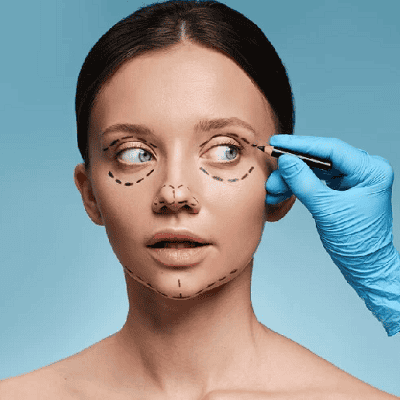
Understanding Plastic Surgery: More Than Just Aesthetics
Plastic surgery is often misunderstood as purely cosmetic, but its scope is much broader. The word “plastic” comes from the Greek word plastikos, meaning to mold or shape. In medical terms, it refers to the ability to reshape or reconstruct tissue.There are two main categories:
- Reconstructive surgery: Focuses on restoring function and normal appearance after trauma, burns, infections, or congenital disabilities.
- Cosmetic (aesthetic) surgery: Aims to enhance appearance and improve symmetry or proportion according to personal preference.
Reconstructive procedures might help a person regain movement after an accident, while cosmetic procedures may focus on improving facial features or body contours.
How Plastic Surgery Works: The Basic Process
Plastic surgery works through careful planning, surgical techniques, and controlled healing processes. Although each procedure is different, the general steps follow a similar pattern.
1. Consultation and Evaluation
Before any procedure, a thorough evaluation is done. The surgeon assesses the patient’s medical history, physical condition, and expectations. This step is important because not everyone is a suitable candidate for every type of surgery.During this phase, realistic goals are discussed, and the most appropriate procedure is recommended based on the individual’s needs.
2. Surgical Planning
Once a procedure is decided, detailed planning begins. This includes selecting the technique, understanding the anatomy involved, and preparing for possible risks. Modern plastic surgery often uses advanced imaging and simulation tools to help predict outcomes more accurately.
3. The Surgical Procedure
Plastic surgery procedures are performed in controlled medical environments. Depending on the complexity, they may require local or general anesthesia. Surgeons use precise techniques to reshape tissue, remove excess skin, reconstruct structures, or enhance certain areas of the body.The methods vary widely. For example:
- Skin grafting may be used for burn recovery.
- Liposuction removes excess fat deposits.
- Tissue reconstruction may repair facial injuries.
4. Recovery and Healing
Healing is a crucial part of plastic surgery. After the procedure, the body naturally begins repairing itself. Recovery time depends on the type of surgery performed and the individual’s health condition.Patients are usually given specific instructions for aftercare, such as wound care, activity restrictions, and medications to reduce discomfort or prevent infection. Follow-up appointments help ensure proper healing.
Types of Plastic Surgery Procedures
Plastic surgery includes a wide variety of procedures, each serving different purposes. These can be grouped into reconstructive and cosmetic categories.
Reconstructive Procedures
Reconstructive plastic surgery is essential for restoring normal function and appearance. Some common examples include:
- Burn reconstruction: Helps repair skin damage caused by burns.
- Cleft lip and palate repair: Corrects congenital deformities in children.
- Breast reconstruction: Restores breast shape after mastectomy.
- Trauma repair: Fixes injuries caused by accidents or wounds.
These procedures often improve both physical function and emotional well-being.
Cosmetic Procedures
Cosmetic plastic surgery focuses on enhancing appearance. Some popular procedures include:
- Facial reshaping procedures
- Body contouring treatments
- Skin tightening procedures
- Nose reshaping (rhinoplasty)
- Eyelid or eyelid rejuvenation procedures
These are typically elective and chosen based on personal aesthetic goals rather than medical necessity.
Benefits and Considerations of Plastic Surgery
Plastic surgery offers several benefits, but it is also important to understand the considerations involved before undergoing any procedure.
Benefits
- Improved physical appearance
- Restoration of normal body function
- Increased self-confidence in many cases
- Correction of congenital or acquired deformities
- Better quality of life after reconstructive procedures
Considerations
- Every surgical procedure carries some level of risk, such as infection or scarring.
- Results may take time to fully appear due to healing.
- Expectations must be realistic; surgery enhances but does not create perfection.
- Recovery requires patience and proper care.
Understanding both sides helps individuals make informed decisions.
Recovery Process and What to Expect After Surgery
Recovery plays a major role in the success of plastic surgery. The healing process depends on the complexity of the procedure and the patient’s overall health.In the first few days, swelling, bruising, and mild discomfort are common. As healing progresses, these symptoms gradually reduce. Most patients are advised to avoid strenuous activity during early recovery stages.Long-term results may take weeks or even months to fully appear. Following post-operative instructions carefully is essential for achieving the best outcome.Emotional recovery is also important. Some individuals may experience temporary mood changes as their body adjusts, especially after major procedures. Support from healthcare professionals and loved ones can help during this phase.
The Role of Modern Technology in Plastic Surgery
Advancements in medical technology have significantly improved the safety and effectiveness of plastic surgery. Today’s procedures are more precise, less invasive, and offer faster recovery compared to earlier techniques.Some key innovations include:
- Minimally invasive surgical tools
- Improved anesthesia methods
- 3D imaging and simulation for planning
- Advanced wound healing techniques
These developments allow surgeons to achieve more natural-looking results while reducing risks and recovery time.
FAQs About Plastic Surgery
1. What is the main purpose of plastic surgery?
Plastic surgery is performed to reconstruct or enhance parts of the body for medical or aesthetic reasons. It helps restore function, correct deformities, or improve appearance.
2. Is plastic surgery safe?
Plastic surgery is generally safe when performed by qualified professionals in proper medical settings. However, like any surgery, it carries risks such as infection, bleeding, or complications during recovery.
3. How long does it take to recover from plastic surgery?
Recovery time varies depending on the procedure. Minor treatments may take a few days, while more complex surgeries can require several weeks or months for full healing.
4. Does plastic surgery leave scars?
Most surgical procedures result in some level of scarring. However, skilled techniques and proper aftercare often help minimize their visibility over time.
5. Who is a good candidate for plastic surgery?
Good candidates are generally healthy individuals with realistic expectations and a clear understanding of the procedure and its outcomes.
6. Can plastic surgery improve confidence?
Yes, many people report improved self-esteem after successful procedures, especially when long-standing physical concerns are addressed.
Plastic surgery is a complex but highly advanced field that combines science, precision, and artistry. Whether for reconstructive needs or personal enhancement, it continues to evolve and offer meaningful improvements in both function and appearance.
Read More About Plastic Surgery: https://666972af349f3.site123.me/blog/are-lola-injections-painful-a-beginner-s-guide
