What Makes Someone a Good Candidate for Eyelid Surgery?
The eyes are often the first feature people notice during a conversation. They play a major role in expressing emotions, communicating confidence, and creating first impressions. However, as people age or due to genetics and lifestyle factors, the eyelids can begin to sag, develop puffiness, or accumulate excess skin. These changes may not only affect appearance but also interfere with vision and everyday comfort.Eyelid Surgery has become a popular solution for individuals looking to improve both the function and appearance of their eyelids. Whether the goal is to achieve a more refreshed look or to address vision problems caused by drooping eyelids, this procedure can offer meaningful benefits when performed for the right reasons.Not everyone is an ideal candidate, though. Understanding who is best suited for eyelid surgery is an important step before considering treatment. This guide explains the qualities of a good candidate, the benefits of the procedure, and what readers should know before making a decision.
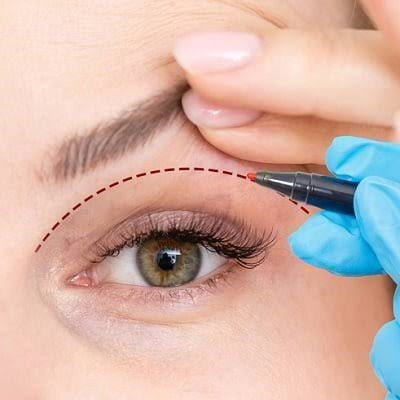
What Is Eyelid Surgery?
Eyelid surgery, also known as blepharoplasty, is a cosmetic or functional surgical procedure that removes or repositions excess skin, muscle, and fat from the upper or lower eyelids. Depending on the patient's needs, the surgery may focus on the upper eyelids, lower eyelids, or both.The procedure can help correct drooping upper eyelids, reduce under-eye bags, smooth puffiness, and create a more youthful, alert appearance. In some cases, it is also performed to improve peripheral vision when excess skin obstructs sight.Although eyelid surgery can create noticeable improvements, it is designed to enhance natural features rather than completely change the shape of the eyes.
Signs That Someone May Be a Good Candidate for Eyelid Surgery
Several physical and personal factors can indicate whether a person may benefit from eyelid surgery.
Excess Skin on the Upper Eyelids
One of the most common reasons people seek eyelid surgery is loose, hanging skin on the upper eyelids. This excess skin may create a tired appearance and, in more advanced cases, interfere with vision by blocking part of the visual field.Individuals experiencing these concerns are often good candidates for upper eyelid surgery.
Puffy Bags Under the Eyes
Fat deposits beneath the eyes can become more noticeable with age. These under-eye bags may make a person appear constantly fatigued even when well-rested.Lower eyelid surgery can help reduce puffiness and improve the contour beneath the eyes, resulting in a smoother and more refreshed appearance.
Drooping Eyelids
When the eyelids begin to droop significantly, they may create a heavy feeling around the eyes and affect facial expressions. In severe situations, drooping eyelids can make daily activities such as reading or driving more challenging.People with this concern may benefit from eyelid surgery after a professional evaluation.
Persistent Tired Appearance
Some individuals naturally have heavy eyelids or under-eye puffiness due to genetics rather than aging. Even after getting enough sleep, they may still appear exhausted or older than they actually are.Eyelid surgery can help restore a brighter, more energetic appearance while maintaining natural facial harmony.
Health Factors That Make Someone a Suitable Candidate
Good overall health is one of the most important considerations before undergoing eyelid surgery.
Good Physical Health
Candidates should generally be in good health without serious medical conditions that could interfere with healing. Proper healing helps reduce the risk of complications and supports better long-term results.
Healthy Eyes
People considering eyelid surgery should have healthy eyes. Existing eye conditions such as severe dry eyes, glaucoma, retinal disorders, or uncontrolled eye diseases may require additional evaluation before surgery.A complete medical assessment helps determine whether the procedure is appropriate.
Non-Smoking Lifestyle
Smoking reduces blood circulation and can slow healing after surgery. Non-smokers generally experience better recovery and lower risks of complications.Those who smoke are often advised to stop for a period before and after surgery to support the healing process.
Stable Medical Conditions
Individuals with chronic conditions such as diabetes or high blood pressure may still qualify for eyelid surgery if their conditions are well controlled. Open communication about medical history helps ensure safe treatment planning.
The Importance of Having Realistic Expectations
One of the most overlooked qualities of a good candidate is having realistic expectations.Eyelid surgery can significantly improve eyelid appearance and function, but it does not stop the natural aging process or completely eliminate every wrinkle around the eyes. Fine lines caused by facial movement or skin texture may require different treatments.People who understand the realistic benefits of surgery are generally more satisfied with their results.Rather than expecting perfection, successful candidates focus on natural-looking improvements that help them appear more refreshed, rested, and confident.
Age and Lifestyle Considerations
Although aging is a common reason for seeking eyelid surgery, there is no single age requirement.Many people consider the procedure in their forties, fifties, or sixties as signs of aging become more noticeable. Others may pursue treatment earlier if they have inherited drooping eyelids or prominent under-eye bags.Lifestyle habits can also influence candidacy and results.People who maintain healthy routines often experience better recovery. Helpful habits include:
- Eating a balanced diet
- Staying hydrated
- Protecting the skin from excessive sun exposure
- Following good sleep habits
- Managing chronic health conditions
- Avoiding smoking
These habits support healthy skin and contribute to lasting surgical outcomes.
Who May Need to Delay or Avoid Eyelid Surgery?
While eyelid surgery is safe for many individuals, it may not be appropriate for everyone.People may need additional evaluation or alternative treatments if they have:
- Uncontrolled diabetes
- Poorly managed high blood pressure
- Active eye infections
- Severe dry eye syndrome
- Certain thyroid-related eye disorders
- Bleeding disorders
- Unrealistic expectations about surgical outcomes
A comprehensive medical assessment helps determine whether surgery is the safest and most effective option.
Benefits of Eyelid Surgery for the Right Candidate
When performed on an appropriate candidate, eyelid surgery offers both cosmetic and functional improvements.Potential benefits include:
- A brighter and more youthful appearance
- Reduced puffiness beneath the eyes
- Improved peripheral vision when upper eyelid skin blocks sight
- Better eyelid definition
- A more refreshed facial expression
- Increased self-confidence
- Long-lasting results with proper care
Many people appreciate that the results often look natural, allowing them to appear rested without obvious signs of surgery.
Preparing for Eyelid Surgery
Proper preparation helps improve safety and recovery.Candidates are generally encouraged to:
- Share their complete medical history.
- Discuss current medications and supplements.
- Follow instructions regarding smoking cessation if applicable.
- Arrange transportation following surgery.
- Prepare a comfortable recovery area at home.
- Carefully follow all pre-operative instructions.
Being well prepared contributes to a smoother surgical experience and recovery.
Recovery and Long-Term Results
Recovery varies from person to person, but many individuals experience temporary swelling, bruising, and mild discomfort during the first few days.Most visible swelling gradually improves over the following weeks. Following post-operative care instructions, protecting the eyes from excessive sunlight, and attending follow-up appointments all contribute to successful healing.The results of eyelid surgery can last for many years. While natural aging continues, many patients continue to enjoy a more youthful and refreshed appearance long after recovery.
Conclusion
Choosing eyelid surgery is a personal decision that should be based on individual needs, overall health, and realistic expectations. Good candidates are typically healthy individuals who have drooping eyelids, excess skin, persistent under-eye bags, or vision concerns related to aging or genetics.A thorough evaluation helps determine whether eyelid surgery is the right option and ensures that treatment goals align with expected outcomes. By understanding the characteristics of an ideal candidate and preparing appropriately, individuals can make informed decisions about improving both the appearance and function of their eyes.
FAQs
1. Who is considered a good candidate for eyelid surgery?
A good candidate is generally someone in good overall health who has drooping upper eyelids, excess eyelid skin, under-eye bags, or vision problems caused by sagging eyelids. Realistic expectations are also important.
2. Is eyelid surgery only for older adults?
No. While many people seek eyelid surgery due to aging, younger adults with inherited drooping eyelids or under-eye puffiness may also benefit from the procedure.
3. Can eyelid surgery improve vision?
Yes. If excess upper eyelid skin blocks part of the visual field, eyelid surgery may improve peripheral vision by removing the obstructing tissue.
4. How long do the results of eyelid surgery last?
The results often last for many years. Although the natural aging process continues, many individuals enjoy long-lasting improvements in eyelid appearance and function.
5. Is recovery from eyelid surgery difficult?
Recovery is usually manageable. Temporary swelling, bruising, and mild discomfort are common, with most people gradually returning to normal activities as healing progresses.
6. Does eyelid surgery leave visible scars?
The incisions are typically placed within the natural folds of the eyelids or just below the lash line, making scars generally discreet once healing is complete.
Read More About Eyelid Surgery: https://www.linkedin.com/pulse/how-long-does-eyelid-surgery-take-procedure-timeline-esha-esha-nasir-vyyyf
