What’s Inside Dermal Fillers Injections? Ingredients Explained
If you’re considering Dermal Fillers Injections in Oman, it’s natural to wonder what exactly goes into those tiny syringes that promise smoother skin and youthful volume. Dermal fillers have gained popularity for their ability to restore facial contours, reduce wrinkles, and enhance features—all without surgery. But what are they made of? Understanding the ingredients can help you make informed decisions about your treatment options.Let’s dive into the science behind dermal fillers, explore what they’re composed of, and why they’ve become a go-to solution for many in Oman seeking non-invasive cosmetic enhancements.
What Are Dermal Fillers?
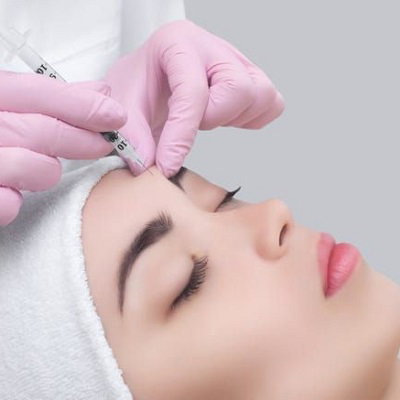
Dermal fillers are gel-like substances injected beneath the skin to restore lost volume, smooth out lines, and enhance facial contours. While they’re commonly used on the face, they can also rejuvenate the hands or add volume to areas like the lips and cheeks.These fillers are minimally invasive, and their effects can be seen almost immediately, with minimal downtime. Clinics offering Dermal Fillers Injections in Oman typically use FDA-approved products tailored to each patient's skin type and desired outcome.
Main Ingredients Found in Dermal Fillers
Different types of dermal fillers are formulated with various active ingredients. Here are the most common substances used:
Hyaluronic Acid (HA)
Hyaluronic acid is one of the most widely used ingredients in dermal fillers today. It’s a naturally occurring substance in the body that helps maintain skin hydration and volume. As we age, our bodies produce less HA, leading to sagging skin and wrinkles.
HA-based fillers like Juvederm and Restylane are popular choices in Oman due to their ability to deliver natural-looking results. These fillers are temporary but can last from 6 to 18 months depending on the product and treatment area.
Calcium Hydroxylapatite (CaHA)
Found in products like Radiesse, CaHA is another naturally occurring substance, primarily in our bones. In filler form, the calcium particles are suspended in a smooth gel. CaHA is thicker than HA fillers, making it ideal for deeper lines and facial contouring.
It also stimulates collagen production, which improves skin texture over time. Many clients in Oman opt for CaHA fillers for their longer-lasting effects—typically around 12 months or more.
Poly-L-lactic Acid (PLLA)
This synthetic biodegradable ingredient is used in fillers such as Sculptra. Unlike HA or CaHA, PLLA doesn’t provide instant volume. Instead, it works gradually by stimulating the skin’s natural collagen production.
PLLA is commonly used to treat deep facial wrinkles and hollow areas. It requires a series of treatments, but the results can last up to two years. It’s a popular choice for those seeking longer-term anti-aging solutions in Oman.
Polymethyl Methacrylate (PMMA)
PMMA is a semi-permanent filler made of tiny synthetic microspheres that stay beneath the skin indefinitely. It also contains collagen, which helps maintain firmness.
PMMA-based fillers, like Bellafill, are used for deeper wrinkles and acne scars. They’re less commonly used than HA fillers but are available in some advanced aesthetic clinics in Oman.
Why Ingredients Matter
Knowing what’s inside a filler helps patients make safer, more informed choices. Each ingredient serves a different purpose and offers unique benefits, depending on skin type, age, and treatment goals. For example, someone seeking subtle lip enhancement may opt for an HA filler, while a patient looking to restore cheek volume may benefit more from CaHA or PLLA.Before receiving Dermal Fillers Injections in Oman, reputable clinics will conduct a detailed consultation to evaluate which product suits you best.
Safety and Regulation in Oman
Dermal fillers in Oman are regulated by health authorities to ensure patient safety. Clinics must use licensed products and follow strict hygiene protocols. It’s important to choose certified practitioners who are trained in facial anatomy and product handling.Ask your practitioner about the specific brand and ingredients of the filler being used, and never hesitate to request before-and-after photos or client testimonials.
FAQs About Dermal Fillers Injections in Oman
1. Are dermal fillers safe?
Yes, when performed by qualified professionals using approved products, dermal fillers are generally safe. Mild swelling or bruising is common and temporary.
2. How long do fillers last?
Duration varies by ingredient. HA fillers usually last 6–18 months, while PLLA can last up to 2 years.
3. Is there any downtime after treatment?
Most patients can resume daily activities immediately. Minor redness or swelling may occur but typically fades within a few days.
4. Can fillers be removed or reversed?
Yes, HA fillers can be dissolved using an enzyme called hyaluronidase. Other types like CaHA and PLLA are not reversible but will gradually break down over time.
5. How much do dermal fillers cost in Oman?
Prices vary by clinic, brand, and treatment area. On average, expect to pay between OMR 100 to 300 per session. Always consult with a certified practitioner for a tailored quote.
6. Who should avoid dermal fillers?
Pregnant or breastfeeding women, individuals with allergies to filler ingredients, or those with active skin infections should avoid treatment.
Final Thoughts
Understanding the ingredients in dermal fillers gives you greater confidence and control over your aesthetic choices. Whether you’re exploring wrinkle reduction, facial contouring, or lip enhancement, Dermal Fillers Injections in Oman offer a range of safe and effective solutions tailored to your unique needs. Always consult a trusted clinic for professional advice and treatment planning.
