When Can You Return to Work After Breast Surgery?
Returning to work after Breast Surgery is an important part of the recovery process, but the right time varies from person to person. Some people may feel ready to resume light office duties within a week, while others may need several weeks before they are comfortable returning to their normal routine.The type of breast surgery, the extent of the procedure, the individual’s overall health, the physical demands of the job, and the speed of healing can all affect the recovery timeline. Breast augmentation, breast reduction, breast lift, breast reconstruction, and other breast procedures can each involve different recovery experiences.Rather than focusing only on a specific number of days, patients are generally encouraged to pay attention to how their body is healing and follow the instructions provided by their surgical care team. Returning to work too quickly, particularly after physically demanding breast surgery, can increase discomfort and may interfere with recovery.
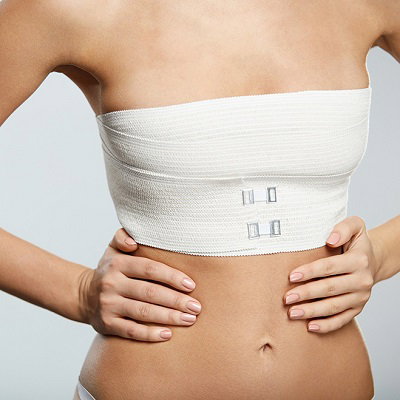
How Long Does It Usually Take to Return to Work After Breast Surgery?
For many people, returning to work after breast surgery may be possible within one to two weeks, particularly when the job involves mostly sitting, computer work, meetings, or other light activities. However, this is only a general estimate rather than a universal recovery rule.People with desk-based jobs may sometimes return sooner if pain and swelling are manageable and they can move comfortably. Those who work in physically demanding roles may need additional time away from work.For example, someone who works at a computer may be able to return gradually after several days or around a week, depending on the procedure and recovery. In contrast, someone whose job involves lifting, pushing, pulling, repetitive arm movements, standing for long periods, or manual labor may require a longer recovery period.Breast surgery can cause temporary swelling, bruising, tightness, soreness, and restricted arm movement. These symptoms can make ordinary activities such as reaching overhead, carrying a bag, driving, or sitting for extended periods uncomfortable.A gradual return is often more comfortable than immediately attempting a full workload. When possible, patients may benefit from shorter workdays, additional breaks, or temporarily working from home.
What Factors Affect the Return-to-Work Timeline?
There is no single recovery schedule that applies to everyone after breast surgery. Several factors can influence when a person can safely and comfortably return to work.
- Type of breast surgery: Different procedures place different demands on the body. A straightforward procedure may involve a shorter recovery than a more extensive operation or combined procedures.
- Physical demands of the job: Office-based work is generally easier to resume than work involving heavy lifting or strenuous physical activity. Employees with physically demanding jobs may need additional restrictions even after returning to work.
- Pain and discomfort: Some soreness is expected during recovery. If pain makes it difficult to sit, concentrate, walk, or perform basic work duties, additional recovery time may be appropriate.
- Swelling and bruising: Swelling can persist for several weeks after surgery. Although it often improves gradually, it can make certain clothing, movements, or work activities uncomfortable.
- Overall health: A person's general health, healing ability, previous medical history, and lifestyle can influence recovery.
- Type of workplace: A quiet office environment may be easier to manage than a workplace that requires frequent travel, extensive walking, physical interaction, or exposure to strenuous activities.
Because these factors differ significantly, the surgical team’s individual recovery instructions should take priority over general timelines found online.
Returning to Different Types of Jobs After Breast Surgery
The nature of the job is one of the biggest considerations when planning a return to work.
Office and Desk Jobs
People with sedentary jobs may be able to return relatively soon after breast surgery if they are feeling well. Sitting at a desk, attending virtual meetings, answering emails, or performing other light duties usually requires less physical effort.However, even desk workers may experience fatigue or discomfort during the first days back. Sitting for long periods can sometimes feel uncomfortable, particularly when swelling or tenderness is still present.A gradual schedule, frequent movement breaks, and comfortable clothing may make the transition easier.
Jobs Requiring Moderate Physical Activity
Jobs involving regular walking, standing, reaching, or light physical activity may require more recovery time. Depending on the procedure and individual healing, returning may need to be delayed until these activities can be performed without significant discomfort.The patient may also need temporary restrictions on lifting or repetitive upper-body movements.
Physically Demanding Jobs
People who work in construction, healthcare, childcare, warehouse operations, fitness, hospitality, cleaning, or other physically demanding occupations may need a longer recovery period.Heavy lifting and strenuous exercise can place pressure on healing tissues. Returning to these activities before the body is ready may increase discomfort and potentially interfere with recovery.The healthcare team may recommend temporary work restrictions or a phased return rather than immediately resuming all regular duties.
What Activities Should Be Avoided After Breast Surgery?
Returning to work does not necessarily mean that all normal activities can immediately resume.During the early recovery period, patients are commonly advised to avoid strenuous activity until they have been cleared to resume it. Restrictions can include heavy lifting, intense exercise, repetitive upper-body movements, and activities that put pressure on the healing surgical area.Driving may also need to be postponed until the individual can comfortably control the vehicle, wear a seat belt, and react quickly without significant pain. Medication used after surgery can also affect alertness, making driving inappropriate while certain pain medicines are being taken.Patients should avoid judging recovery solely by how they feel on one particular day. It is possible to feel better while the body is still healing internally.A return to normal activity should therefore be gradual. If a particular movement causes increasing pain, pulling, swelling, or significant discomfort, it may be a sign that the activity should be reduced and discussed with the healthcare team.
Signs That More Recovery Time May Be Needed
Some discomfort after breast surgery is expected, but certain symptoms may indicate that a person should contact the surgical team before returning to normal activities.Persistent or worsening pain, increasing swelling, significant redness, drainage from the incision, fever, shortness of breath, chest pain, or other concerning changes should not simply be attributed to normal recovery.A person who feels unusually weak or exhausted may also need additional rest. Fatigue can be particularly noticeable during the first stage of recovery because the body is using energy to repair tissues.Patients should seek prompt medical advice if they develop symptoms that seem unusual, severe, or progressively worse.It is also important to remember that returning to work is not a competition. A person who needs additional time to recover is not necessarily healing poorly. Recovery rates can vary considerably, even among people undergoing the same type of breast surgery.
Tips for Making the Return to Work More Comfortable
A little preparation can make the transition back to work easier.Before returning, patients may want to arrange lighter duties if their workplace allows it. Sitting close to necessary equipment, taking regular breaks, and avoiding unnecessary lifting can reduce strain.Comfortable, loose-fitting clothing may also help during the early recovery period. Depending on the surgical instructions, a supportive postoperative garment may be recommended.Planning meals, transportation, household responsibilities, and childcare in advance can also reduce the physical workload outside the workplace.Some people find that returning part-time or working shorter hours initially is more manageable than immediately returning to a full schedule. If remote work is available, it may provide another flexible option during the early recovery period.Most importantly, the patient should follow the specific postoperative instructions provided by the healthcare team. General online guidance can offer an idea of what to expect, but it cannot account for the details of an individual procedure or recovery.
Frequently Asked Questions
1. How soon can someone return to an office job after breast surgery?
Many people with desk-based jobs may return within one to two weeks, depending on the type of breast surgery and how recovery is progressing. Some may feel comfortable sooner, while others may need more time. The surgical team should provide individualized guidance.
2. Can someone return to a physically demanding job after breast surgery?
Physically demanding work usually requires more recovery time than office work. Heavy lifting, repetitive arm movements, pushing, pulling, and strenuous activity may need to be restricted for several weeks. The exact timeline depends on the procedure and individual healing.
3. Can someone work from home during breast surgery recovery?
Working from home may be possible for some people once they are comfortable sitting, concentrating, and performing light computer-based tasks. However, working from home does not mean the body has fully recovered, so physical activity restrictions should still be followed.
4. When can someone start exercising after breast surgery?
Light movement and walking are often encouraged during recovery, but strenuous exercise and upper-body workouts generally need to wait until the surgical team gives clearance. The timeline varies according to the procedure and healing progress.
5. Is it normal to feel tired after returning to work?
Yes. Fatigue can continue after a person returns to work, even when the main surgical symptoms have improved. The body may still be using substantial energy for healing. Adequate rest, hydration, nutrition, and a gradual return to normal activities can help.
6. What should someone do if work causes increased pain or swelling?
If work activities cause noticeable or worsening pain, swelling, or other concerning symptoms, the person should stop or reduce the activity and contact the surgical care team for advice. Persistent or severe symptoms should not be ignored.
Returning to work after breast surgery is best viewed as a gradual process rather than a fixed deadline. While some people may resume light duties within a week or two, others may require several weeks, especially when their job involves physical activity. The safest approach is to follow individualized medical advice, respect activity restrictions, and allow the body enough time to heal.With appropriate planning and realistic expectations, most people can gradually return to their usual professional and daily routines while continuing to protect their recovery.
Read More About Breast Surgery: https://ameblo.jp/enfieldclinicoman/entry-12980343339.html
