Why Dermatologists Urge Patients to Avoid Over-Exfoliating
Exfoliation has become a cornerstone of modern skincare. From scrubs and acids to exfoliating tools and at-home peels, many people believe that more exfoliation automatically means brighter, clearer skin. However, Dermatologists in Muscat and around the world consistently warn that over-exfoliating can do far more harm than good. When used incorrectly or too frequently, exfoliation can weaken the skin, trigger irritation, and worsen common skin concerns instead of improving them.This article explains why moderation matters, how over-exfoliation affects the skin, and what dermatologists recommend for maintaining a healthy, balanced complexion.
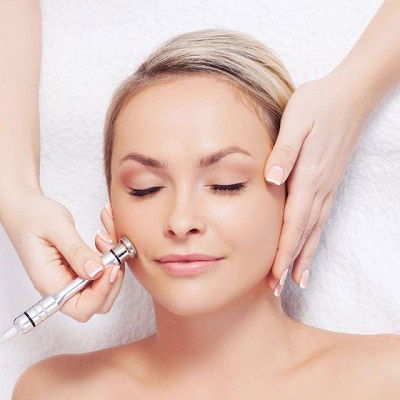
Understanding Exfoliation and Its Purpose
Exfoliation is the process of removing dead skin cells from the surface of the skin. Naturally, the skin sheds these cells every 28–40 days, depending on age and skin type. Exfoliating helps speed up this process, allowing newer, healthier skin cells to surface.When done correctly, exfoliation can:
- Improve skin texture
- Enhance product absorption
- Reduce clogged pores
- Brighten dull skin
However, dermatologists emphasize that exfoliation is meant to support the skin’s natural renewal process, not replace it entirely. Overdoing it interferes with the skin’s protective barrier and natural healing mechanisms.
Why Over-Exfoliating Has Become So Common
Many patients unknowingly over-exfoliate because of misinformation and aggressive skincare trends. Social media routines, product layering, and “glass skin” goals often encourage daily exfoliation or combining multiple exfoliating products.Dermatologists in Muscat frequently see patients who are using:
- Physical scrubs several times a week
- Chemical exfoliants daily
- Cleansing devices alongside exfoliating acids
This combination can overwhelm the skin, especially in warmer climates where sun exposure and humidity already place stress on the skin barrier.
How Over-Exfoliation Damages the Skin Barrier
The skin barrier is the outermost layer of the skin that protects against bacteria, pollution, moisture loss, and environmental irritants. Exfoliating too often strips away not only dead skin cells but also essential lipids that keep the barrier intact.
Signs of a Compromised Skin Barrier
Dermatologists often identify over-exfoliation through symptoms such as:
- Persistent redness
- Burning or stinging sensation
- Increased sensitivity to products
- Tightness and dryness
- Breakouts that appear suddenly
When the barrier is damaged, the skin becomes reactive and more prone to inflammation, acne, and even pigmentation issues.
Over-Exfoliation Can Worsen Acne and Breakouts
Many people exfoliate excessively in an attempt to control acne. Unfortunately, dermatologists explain that this often backfires.Over-exfoliation:
- Triggers inflammation, which can worsen acne
- Increases oil production as the skin tries to compensate for dryness
- Makes acne treatments more irritating
Instead of clearing breakouts, aggressive exfoliation can lead to more frequent flare-ups and delayed healing. Dermatologists in Muscat stress that acne-prone skin benefits from gentle, controlled exfoliation combined with barrier-supporting care.
Increased Risk of Pigmentation and Uneven Skin Tone
One of the lesser-known dangers of over-exfoliating is its impact on pigmentation. When the skin barrier is damaged, it becomes more susceptible to sun damage and inflammation-induced dark spots.In regions with strong sun exposure, dermatologists in Muscat often caution patients that over-exfoliating can:
- Trigger post-inflammatory hyperpigmentation
- Make existing dark spots more noticeable
- Slow down skin recovery
Without proper protection, exfoliated skin is highly vulnerable to UV damage, even with short sun exposure.
Physical vs. Chemical Exfoliation: Where People Go Wrong
Physical Exfoliation
Physical exfoliants include scrubs, brushes, sponges, and exfoliating gloves. When used too aggressively or too often, they can cause micro-tears in the skin, leading to irritation and long-term sensitivity.Dermatologists recommend using physical exfoliation sparingly and only on skin types that tolerate it well.
Chemical Exfoliation
Chemical exfoliants use acids or enzymes to dissolve dead skin cells. While they are often gentler than scrubs, misuse can still cause damage.Common mistakes include:
- Using multiple acids at the same time
- Applying high-strength exfoliants daily
- Not allowing recovery days between applications
Dermatologists in Muscat advise that chemical exfoliation should be tailored to individual skin needs, climate, and lifestyle.
How Often Do Dermatologists Recommend Exfoliating?
There is no one-size-fits-all answer, but dermatologists generally suggest:
- Sensitive skin: Once every 10–14 days
- Normal to combination skin: Once or twice a week
- Oily or acne-prone skin: Up to twice weekly with gentle formulations
The key is observing how the skin responds. If redness, discomfort, or breakouts increase, exfoliation frequency should be reduced immediately.
Gentle Alternatives Dermatologists Prefer
Instead of frequent exfoliation, dermatologists often recommend gentler methods to support skin renewal:
- Mild cleansers that maintain skin balance
- Hydrating serums that strengthen the barrier
- Ingredients that promote cell turnover without irritation
- Consistent sunscreen use to protect newly revealed skin
These approaches allow the skin to regenerate naturally without unnecessary stress.
The Role of Climate and Lifestyle
Environmental factors play a major role in how skin reacts to exfoliation. Dermatologists in Muscat often point out that heat, humidity, air conditioning, and sun exposure already challenge the skin barrier.In such conditions, excessive exfoliation can quickly lead to dehydration and irritation. Adjusting skincare routines based on climate and daily exposure is essential for maintaining skin health.
When to Seek Professional Guidance
Persistent redness, stinging, or worsening skin conditions are signs that professional evaluation may be needed. Dermatologists can assess skin type, identify barrier damage, and recommend a personalized routine that avoids unnecessary exfoliation.Early intervention helps prevent long-term sensitivity and restores the skin’s natural resilience.
FAQs About Over-Exfoliation
Q1: How can I tell if I am over-exfoliating my skin?
Common signs include redness, burning, tightness, increased sensitivity, and sudden breakouts.
Q2: Is daily exfoliation ever recommended?
Dermatologists rarely recommend daily exfoliation. Most skin types need recovery time to maintain a healthy barrier.
Q3: Can over-exfoliating cause premature aging?
Yes. Chronic irritation weakens the skin barrier, leading to fine lines, dryness, and reduced elasticity over time.
Q4: Should exfoliation routines change with the seasons?
Absolutely. Hot weather and sun exposure increase skin sensitivity, so exfoliation should be reduced during warmer months.
Q5: Can stopping exfoliation completely help damaged skin recover?
Yes. Temporarily stopping exfoliation allows the skin barrier to repair itself, especially when combined with hydrating and soothing products.
Q6: Is exfoliation necessary at all?
Exfoliation can be beneficial when done correctly, but it should complement—not disrupt—the skin’s natural renewal process.
Final Thoughts
Exfoliation can be a powerful skincare tool, but only when used with care and restraint. Dermatologists in Muscat consistently remind patients that healthy skin depends more on balance than intensity. Over-exfoliating strips the skin of its natural defenses, leading to irritation, breakouts, and long-term damage.By understanding the signs of over-exfoliation, choosing gentle methods, and allowing the skin time to recover, individuals can achieve smoother, clearer skin without compromising its health. In skincare, less is often more—and listening to your skin is the most effective habit of all.
