Yaqoot Injections for Skin Brightening: Do They Work?
Skin brightening treatments have become increasingly popular among people who want a more even-looking complexion, reduced appearance of pigmentation, or a healthier glow. Among the treatments discussed for these goals are Yaqoot Injections, which are often promoted as an injectable approach to improving skin appearance.However, anyone considering an injectable treatment should understand what it is intended to do, what evidence supports its use, and what limitations it may have. Skin tone is influenced by genetics, sun exposure, hormones, inflammation, medications, and several other factors. Therefore, no injection should automatically be viewed as a guaranteed solution for pigmentation or complexion concerns.This guide explains what Yaqoot Injections are commonly associated with, whether they can brighten the skin, what results may realistically look like, and what people should consider before undergoing treatment.
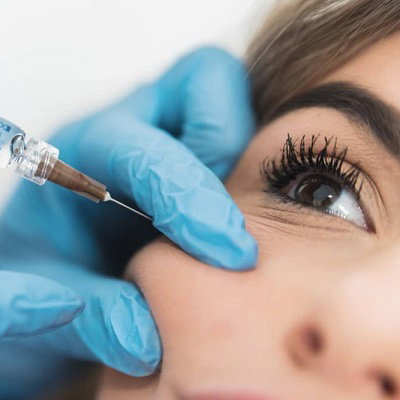
What Are Yaqoot Injections?
The term Yaqoot Injections is used in some aesthetic settings to describe injectable treatments promoted for skin brightening, complexion enhancement, or overall skin rejuvenation. The exact formulation can vary depending on the provider, product, and market, so it is important not to assume that every treatment marketed under this name contains the same ingredients.Some injectable brightening treatments may contain substances intended to support antioxidant activity, reduce oxidative stress, or influence pathways associated with pigmentation. In some markets, injectable treatments may also be promoted as part of broader skin-rejuvenation protocols.Because the name alone does not establish the ingredients or medical indication, a person considering Yaqoot Injections should ask for the exact product name, active ingredients, manufacturer information, intended use, and relevant safety documentation.This is particularly important with injectable products because they enter the body directly and should not be treated in the same way as ordinary skincare products.
Do Yaqoot Injections Actually Brighten the Skin?
The answer depends largely on what is meant by “brightening.”Skin brightening does not necessarily mean changing a person's natural skin color. In aesthetic medicine, the term often refers to making the complexion appear more even, reducing the visibility of certain forms of pigmentation, and improving the overall appearance of dull or uneven skin.There is limited high-quality clinical evidence specifically establishing Yaqoot Injections as a proven treatment for skin brightening. Claims made about a particular injectable product should therefore be evaluated separately from evidence surrounding individual ingredients that may be used in injectable formulations.Some ingredients used in skin-brightening treatments have been studied for pigmentation or antioxidant effects, but evidence for one ingredient does not automatically prove that a branded or locally marketed injection will produce the same results.For this reason, Yaqoot Injections should not be viewed as a guaranteed whitening treatment. If improvement occurs, the extent and duration can vary considerably from one person to another.
How Might Yaqoot Injections Work?
The proposed mechanism depends on the actual formulation. If an injectable contains antioxidant or pigmentation-targeting ingredients, its intended effects may involve reducing oxidative stress or influencing biological processes associated with melanin production.Melanin is the pigment responsible for much of the color of the skin, hair, and eyes. Excess melanin production can contribute to conditions such as hyperpigmentation, particularly after acne, inflammation, hormonal changes, or sun exposure.However, pigmentation is complex. Melasma, post-inflammatory hyperpigmentation, freckles, sunspots, and other pigmentary conditions do not necessarily respond to the same treatment.This is why the underlying cause matters. A person with melasma may require a very different approach from someone whose complexion appears dull because of dehydration, sun exposure, or accumulated skin damage.Yaqoot Injections, if considered at all, are therefore better understood as a potential component of an individualized aesthetic plan rather than a universal solution for every pigmentation concern.
What Results Can People Expect?
Expectations are one of the most important parts of any cosmetic treatment.A person considering Yaqoot Injections may hope for a brighter, fresher, or more even complexion. Some individuals may notice changes in overall skin appearance, while others may experience little or no noticeable improvement.Results can depend on several factors, including:
- The ingredients and concentration of the injectable product
- The individual's skin type and pigmentation pattern
- The underlying cause of discoloration
- Sun exposure and daily skincare habits
- Existing medical conditions and medications
- The number and frequency of treatments
- Whether other treatments are used at the same time
It is also important to distinguish between temporary cosmetic improvement and long-term control of pigmentation. Even when a treatment improves the appearance of the skin, continued sun exposure or an untreated underlying condition can cause pigmentation to return.A realistic goal is usually healthier-looking, more even skin, rather than a dramatic or permanent change in natural skin tone.
Benefits and Limitations of Yaqoot Injections
People may consider injectable brightening treatments because they appear convenient and may be promoted as a way to support overall complexion improvement. Depending on the formulation and individual response, potential aesthetic benefits may include a more refreshed appearance, improved-looking skin tone, or reduced visibility of certain pigmentation concerns.However, these potential benefits should be balanced against the limitations.First, the evidence for products marketed specifically as Yaqoot Injections may not be as strong as the marketing language suggests. Aesthetic claims should be supported by reliable clinical evidence rather than testimonials alone.Second, injectable treatments carry risks that topical skincare products do not. Injection-site discomfort, swelling, bruising, redness, and irritation can occur. More significant complications may be possible depending on the substance being injected, the injection technique, sterility, and the person's health.There is also an important distinction between a product being marketed for cosmetic purposes and a product having strong evidence or regulatory approval for that specific purpose. Consumers should ask appropriate questions before treatment rather than relying solely on promotional claims.
Who Should Consider Yaqoot Injections?
Yaqoot Injections may be discussed by adults who are concerned about uneven complexion or pigmentation and are looking for an aesthetic treatment option. However, suitability should be determined on an individual basis.Before an injectable treatment, a qualified healthcare professional should assess the person's skin concern, medical history, allergies, current medications, previous reactions to treatments, and expectations.People who are pregnant or breastfeeding, have certain medical conditions, take particular medications, or have a history of significant reactions to injectable products may require additional evaluation or may not be suitable candidates.Anyone with unexplained changes in skin pigmentation should also consider getting the cause assessed before pursuing cosmetic treatment. Pigmentation can sometimes be associated with hormonal changes, inflammation, medication effects, or other underlying issues.The safest approach is to identify the problem first and then decide whether an injectable treatment is appropriate.
Safety Tips Before Getting Yaqoot Injections
Safety should be a priority whenever an injectable treatment is considered.A person should first find out exactly what is being injected. The treatment provider should be able to explain the ingredients, source of the product, intended purpose, expected benefits, possible side effects, and aftercare requirements.It is also wise to avoid treatments where the ingredients are unclear or where exaggerated claims are made, such as promises of permanent whitening or guaranteed results.Treatment should be performed in an appropriate medical environment using sterile equipment and proper injection practices. Products should be stored and handled according to the manufacturer's instructions.After treatment, mild soreness, redness, or swelling may occur depending on the product. However, severe pain, rapidly increasing swelling, significant skin changes, difficulty breathing, or other concerning symptoms require prompt medical attention.Most importantly, injectable skin-brightening treatments should complement—not replace—basic skin protection. Daily broad-spectrum sunscreen, appropriate skincare, and management of the underlying cause of pigmentation remain important for maintaining an even-looking complexion.
Are Yaqoot Injections Better Than Topical Skin Brightening Treatments?
There is no simple answer because the treatments work differently and may be intended for different concerns.Topical products can contain ingredients such as vitamin C, niacinamide, retinoids, azelaic acid, or other pigmentation-focused compounds. Depending on the individual's condition, these options may be recommended as part of a structured skincare routine.Injectable treatments, on the other hand, deliver substances systemically or into specific tissues depending on the technique and formulation. That does not automatically make them more effective.For many pigmentation concerns, evidence-based topical treatment and strict sun protection remain important foundations. Procedures such as chemical peels or certain light- and laser-based treatments may also be considered in selected cases.The best option depends on the diagnosis, skin type, pigmentation pattern, medical history, and treatment goals. A treatment that works well for one person may not be suitable for another.
Final Thoughts on Yaqoot Injections for Skin Brightening
Yaqoot Injections may attract attention among people looking for a brighter and more even complexion, but expectations should remain realistic. The name “Yaqoot Injections” does not by itself guarantee a standardized formulation, proven effectiveness, or permanent skin-lightening results.There may be individual ingredients used in injectable aesthetic treatments that have been investigated for pigmentation or antioxidant-related effects, but this should not be confused with strong evidence proving that every product marketed as Yaqoot Injections works for skin brightening.Anyone considering the treatment should first determine the cause of the pigmentation, verify the exact ingredients being offered, discuss possible risks with a qualified healthcare professional, and consider established skincare and sun-protection measures.Ultimately, the goal of a good skin-brightening plan should be healthy, even-looking skin rather than an unrealistic promise of changing natural skin color. An individualized approach is more likely to provide safe and sustainable results.
FAQs About Yaqoot Injections
1. What are Yaqoot Injections used for?
Yaqoot Injections are marketed in some aesthetic settings for skin brightening, complexion enhancement, or skin rejuvenation. The exact purpose and formulation can vary, so the ingredients and intended use should be confirmed before treatment.
2. Can Yaqoot Injections permanently whiten the skin?
There is no reliable basis for treating Yaqoot Injections as a guaranteed method of permanent skin whitening. Skin pigmentation is influenced by many factors, and any cosmetic improvement may require ongoing maintenance and sun protection.
3. How quickly can results from Yaqoot Injections appear?
The timing can vary depending on the formulation, treatment schedule, and individual response. Some people may notice changes gradually, while others may see minimal improvement. A healthcare professional can provide more realistic expectations after assessing the skin concern.
4. Are Yaqoot Injections safe?
Safety depends on the exact ingredients, product quality, injection technique, sterility, and the individual's health. Possible injection-related effects can include pain, redness, swelling, or bruising. Because formulations can vary, the exact product should be verified before treatment.
5. Can Yaqoot Injections treat melasma or dark spots?
They should not automatically be considered a first-line treatment for every type of pigmentation. Melasma and other dark spots can have different causes and may require targeted topical treatments, procedures, sun protection, or a combination approach.
6. What should someone check before getting Yaqoot Injections?
The person should ask about the exact product and ingredients, manufacturer, intended use, potential side effects, treatment protocol, contraindications, and aftercare. A qualified healthcare professional should also review the person's medical history and determine whether the treatment is appropriate.
Read More About Yaqoot Injections: https://www.linkedin.com/pulse/botox-injections-hyperhidrosis-areas-commonly-treated-esha-esha-nasir-1aatf
