Can You Avoid Surgery with Lipoma Treatment?
Lipomas are among the most common non-cancerous growths that develop beneath the skin. They are usually soft, slow-growing, and painless, making them more of a cosmetic concern than a serious medical condition. However, many people become worried after discovering a lump and immediately wonder whether surgery is the only solution.The good news is that surgery is not always necessary. Depending on the size, location, symptoms, and overall health of the individual, there are several approaches to Lipoma Treatment that may help manage the condition without immediate surgical removal. Understanding when surgery is needed and when it can be avoided allows individuals to make informed decisions about their health.This guide explains the available treatment options, the situations in which surgery may not be required, and what people should know before choosing the best approach for a lipoma.
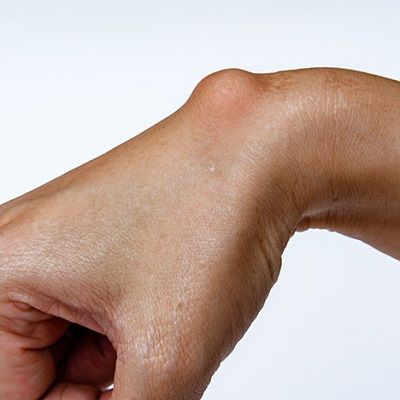
What Is a Lipoma?
A lipoma is a benign lump made up of fat cells that grows beneath the skin. It is typically soft to the touch, moves easily when pressed, and grows slowly over time. Lipomas can develop almost anywhere on the body, but they are most commonly found on the neck, shoulders, back, arms, thighs, and abdomen.Most lipomas are harmless and do not cause pain. They often remain small and stable for years, although some can gradually increase in size. While the exact cause is not fully understood, genetics appear to play an important role, as lipomas often run in families.Because they are non-cancerous, many lipomas never require treatment unless they become uncomfortable or affect a person's quality of life.
Is Surgery Always Necessary for Lipoma Treatment?
One of the biggest misconceptions is that every lipoma must be surgically removed. In reality, many lipomas can simply be monitored if they are not causing any problems.A healthcare professional may recommend observation instead of surgery when the lipoma:
- Is small and stable in size
- Does not cause pain or tenderness
- Does not interfere with movement
- Is not pressing on nearby nerves or tissues
- Does not create cosmetic concerns for the individual
Regular monitoring allows any changes in the lump to be identified early. If the lipoma begins to grow rapidly, becomes painful, or changes in appearance, further evaluation may be recommended.This conservative approach is often considered the first step in Lipoma Treatment for uncomplicated cases.
Non-Surgical Lipoma Treatment Options
Although surgery remains the most definitive way to remove a lipoma, several non-surgical approaches may be considered in selected cases.
Watchful Waiting
The simplest option is careful observation. Since lipomas are benign, many healthcare providers recommend leaving them alone if they remain unchanged.Routine monitoring helps ensure that the lump continues to behave like a typical lipoma without unnecessary procedures.
Steroid Injections
In some situations, steroid injections may help reduce the size of a lipoma. These injections do not remove the fatty tissue completely, but they may shrink the lump enough to improve appearance or reduce mild discomfort.Results vary from person to person, and multiple treatments may sometimes be required.
Lifestyle and Weight Management
While losing weight will not eliminate an existing lipoma, maintaining a healthy lifestyle supports overall body health. Since lipomas consist of fat cells enclosed within a capsule, they usually remain even after significant weight loss.However, healthy eating and regular physical activity can contribute to better long-term wellness and reduce confusion between lipomas and other fatty deposits.
Regular Medical Evaluation
Periodic examinations are an important part of non-surgical Lipoma Treatment. A healthcare provider can assess any changes in size, texture, or symptoms and determine whether further investigation is necessary.This approach helps avoid unnecessary procedures while ensuring patient safety.
When Surgery Becomes the Best Option
Although surgery can often be avoided, there are situations where removal becomes the most appropriate treatment.Surgical removal may be recommended if the lipoma:
- Causes persistent pain
- Continues to grow significantly
- Restricts movement
- Compresses nearby nerves
- Becomes repeatedly irritated by clothing or daily activities
- Creates noticeable cosmetic concerns
- Shows unusual characteristics that require further examination
In these cases, removing the lipoma not only improves comfort but also allows the tissue to be examined if there is any uncertainty about the diagnosis.Fortunately, lipoma removal is generally considered a straightforward procedure with a high success rate and a low chance of recurrence when the entire growth is removed.
How Is a Lipoma Diagnosed Before Treatment?
Before recommending any Lipoma Treatment, healthcare providers first confirm that the lump is actually a lipoma.Diagnosis usually begins with a physical examination. Because lipomas have characteristic features, many can be identified during a routine clinical assessment.If the lump has unusual features, additional tests may be recommended, such as:
- Ultrasound imaging
- MRI scan
- CT scan in selected cases
- Biopsy if there is uncertainty about the diagnosis
These evaluations help rule out other conditions and ensure the most appropriate treatment plan is chosen.
Can Lipomas Go Away Without Treatment?
Many people hope that a lipoma will disappear naturally over time. Unfortunately, lipomas rarely go away on their own.Once a lipoma forms, it generally remains present unless it is removed. Some may stay the same size for years, while others grow very slowly.Although natural remedies and home treatments are commonly discussed online, there is currently no strong scientific evidence showing that creams, herbal products, massage, or dietary supplements can eliminate a lipoma.For this reason, individuals should avoid attempting to cut, squeeze, or puncture a lipoma at home, as doing so may lead to infection, bleeding, or scarring.
Choosing the Right Lipoma Treatment
The best approach depends on several individual factors. There is no single solution that works for everyone.Healthcare providers typically consider:
- The size of the lipoma
- Its location on the body
- Whether it causes pain
- The rate of growth
- Cosmetic concerns
- Overall health
- Personal preferences
For many individuals, simple observation remains the most appropriate option. Others may benefit from minimally invasive management or surgical removal if symptoms develop.Open communication with a qualified healthcare provider ensures that treatment decisions are based on medical need rather than unnecessary intervention.
Final Thoughts
Discovering a lump beneath the skin can be alarming, but lipomas are usually harmless and slow-growing. In many cases, surgery is not immediately necessary, and careful monitoring is often all that is required.Modern Lipoma Treatment focuses on individualized care. Small, painless lipomas can frequently be observed without intervention, while larger or symptomatic growths may require additional treatment. Non-surgical options, such as observation and selected medical therapies, may help some individuals avoid surgery, although they do not permanently remove the lipoma.Anyone who notices a new lump, experiences rapid growth, develops pain, or observes changes in the appearance of an existing lipoma should seek medical evaluation for an accurate diagnosis. Early assessment provides reassurance and helps determine the most suitable treatment plan based on each person's unique situation.
FAQs
1. Can a lipoma be treated without surgery?
Yes. Many lipomas do not require surgery if they are small, painless, and not causing any functional or cosmetic concerns. Regular monitoring is often the preferred approach.
2. Do lipomas disappear naturally?
No. Lipomas rarely disappear on their own. They usually remain the same size or grow slowly over time unless they are medically removed.
3. Are home remedies effective for Lipoma Treatment?
There is no reliable scientific evidence that home remedies, herbal products, or topical creams can remove a lipoma. Medical evaluation is recommended for proper diagnosis and management.
4. When should someone seek treatment for a lipoma?
Medical advice should be sought if a lipoma becomes painful, grows rapidly, changes in appearance, restricts movement, or causes cosmetic concerns.
5. Can a lipoma come back after treatment?
If a lipoma is completely removed, recurrence is generally uncommon. However, some individuals may develop new lipomas in different areas, particularly if they have a family history of the condition.
6. Is every lump under the skin a lipoma?
No. While many soft lumps are lipomas, other conditions can cause similar swelling. Any new or changing lump should be evaluated by a healthcare professional to confirm the diagnosis.
Read More About Lipoma Treatment: https://enfieldclinicoman.mystrikingly.com/blog/common-misconceptions-about-profhilo-treatment-explained
