How Often Should You Get Chemical Peels?
Healthy, glowing skin is a goal for many people, and one of the most popular treatments for improving skin texture and appearance is Chemical Peels. These treatments are widely used to address concerns such as acne scars, uneven skin tone, fine lines, sun damage, and dullness. However, one of the most common questions people ask before starting treatment is: How often should you get chemical peels?The answer depends on several factors, including the type of peel, individual skin concerns, skin sensitivity, and long-term skincare goals. While chemical peels can deliver impressive results, having them too frequently or waiting too long between sessions may affect the outcome.This guide explains how often chemical peels should be performed, what factors influence treatment frequency, and how to maintain healthy skin between sessions.
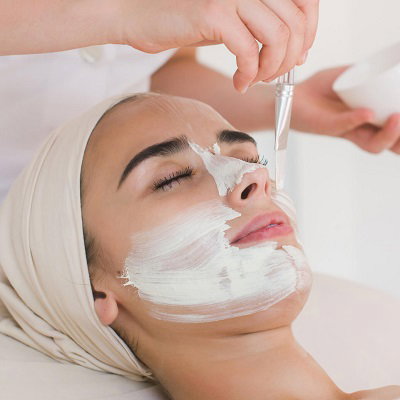
What Are Chemical Peels?
Chemical peels are skin-resurfacing treatments that use specially formulated chemical solutions to exfoliate the outer layers of the skin. As the treated skin peels away, fresh, healthier skin is revealed underneath.Depending on their strength, chemical peels can improve a variety of skin concerns, including:
- Fine lines and wrinkles
- Acne and acne scars
- Hyperpigmentation
- Sun damage
- Uneven skin tone
- Rough skin texture
- Enlarged pores
- Dull-looking skin
Chemical peels are generally categorized into three main types: superficial, medium, and deep peels. Each works at a different depth and requires a different recovery period, which directly affects how often treatments can be safely repeated.
How Often Should You Get Chemical Peels?
There is no single schedule that works for everyone. The ideal frequency depends on the depth of the peel and the condition being treated.
Superficial Chemical Peels
Superficial peels are the mildest option and remove only the outermost layer of dead skin cells. They are often recommended for maintaining healthy skin, improving brightness, and treating mild acne or uneven pigmentation.Most people can receive superficial chemical peels every 2 to 4 weeks. Because they involve minimal downtime, they are commonly included in ongoing skincare maintenance plans.Regular treatments help stimulate cell turnover while keeping the skin looking fresh and radiant.
Medium Chemical Peels
Medium-depth peels penetrate deeper into the skin to target moderate wrinkles, acne scars, pigmentation, and more noticeable sun damage.These peels require more healing time, so they are generally performed every 3 to 6 months, depending on the individual's skin response and treatment goals.Allowing sufficient recovery time helps the skin regenerate properly and reduces the risk of irritation.
Deep Chemical Peels
Deep chemical peels provide the most dramatic results by reaching the deeper layers of the skin. They are usually used for severe wrinkles, extensive sun damage, or significant scarring.Unlike lighter treatments, deep chemical peels are often performed only once or very infrequently because the results can last for years. Recovery takes considerably longer, making proper aftercare especially important.
Factors That Determine Treatment Frequency
The ideal schedule for chemical peels varies from person to person. Several important factors influence how often treatments should be performed.
Skin Type
People with sensitive skin may require longer intervals between treatments to prevent irritation, while those with oily or acne-prone skin may tolerate more frequent superficial peels.Individuals with dry skin often benefit from allowing additional healing time between sessions to preserve the skin barrier.
Skin Concerns
Different skin conditions respond differently to chemical peels.For example:
- Active acne may benefit from a series of lighter peels.
- Hyperpigmentation often requires multiple treatments spaced several weeks apart.
- Fine lines and sun damage may improve gradually through periodic maintenance sessions.
- Acne scars may require medium-depth peels performed over several months.
The treatment schedule should always match the severity of the skin concern.
Type of Peel Used
The stronger the chemical peel, the longer the skin needs to recover.Mild exfoliating peels can often be repeated monthly, while medium and deep peels require significantly longer intervals to avoid damaging healthy skin.
Skin Recovery
The skin should be fully healed before another peel is performed.Signs that the skin has recovered include:
- No active peeling
- Reduced redness
- Normal skin sensitivity
- Healthy moisture levels
Receiving another peel before complete recovery may increase the risk of irritation or unwanted side effects.
Signs You May Be Ready for Another Chemical Peel
Rather than following a fixed calendar, many people benefit from paying attention to how their skin looks and feels.Some common signs that it may be time for another treatment include:
- Skin appears dull again.
- Fine lines become more noticeable.
- Acne breakouts begin returning.
- Pigmentation starts to darken.
- Rough skin texture develops.
- Pores appear more congested.
Maintaining a consistent treatment schedule often provides better long-term results than waiting until skin concerns become more severe.
How to Maintain Results Between Chemical Peels
Chemical peels produce excellent results, but proper skincare between treatments plays a major role in maintaining healthy skin.
Use Sunscreen Daily
Freshly treated skin is more sensitive to ultraviolet rays. Daily sunscreen helps protect new skin cells from sun damage and reduces the risk of developing new pigmentation.
Keep Skin Hydrated
Moisturizing regularly supports the skin barrier and promotes healthy healing after each treatment.Hydrated skin also tends to maintain a smoother and brighter appearance.
Avoid Over-Exfoliating
Using strong scrubs or exfoliating acids too frequently between chemical peels may irritate the skin.Allow the skin enough time to naturally recover before introducing additional exfoliating products.
Follow a Consistent Skincare Routine
Gentle cleansing, moisturizing, and sun protection help extend the benefits of chemical peels while supporting overall skin health.Using products suited to individual skin needs also reduces the likelihood of irritation.
Can You Get Chemical Peels Too Often?
Yes. Although chemical peels are highly effective, excessive treatments may damage the skin's protective barrier.Overdoing chemical peels can lead to:
- Increased redness
- Skin sensitivity
- Dryness
- Peeling that lasts longer than expected
- Irritation
- Higher risk of pigmentation changes
Giving the skin adequate time to recover between treatments helps ensure safe and effective results.A balanced treatment schedule is generally more beneficial than trying to speed up results with overly frequent sessions.
Who Benefits Most from Regular Chemical Peels?
Many people can benefit from routine chemical peels, particularly those looking to improve overall skin quality without surgery.Common candidates include individuals with:
- Mild to moderate acne
- Acne scars
- Uneven skin tone
- Sun-damaged skin
- Early signs of aging
- Rough or uneven skin texture
- Enlarged pores
- Persistent dullness
Regular treatments, combined with a good skincare routine, often provide gradual and natural-looking improvements over time.
Final Thoughts
Chemical peels remain one of the most effective non-surgical skin treatments for improving texture, tone, and overall skin appearance. However, achieving the best results is not simply about having more treatments—it is about following the right schedule for individual skin needs.Superficial chemical peels are commonly performed every two to four weeks, medium peels every three to six months, and deep peels only occasionally due to their intensive nature. Factors such as skin type, treatment goals, recovery time, and the strength of the peel all influence the ideal frequency.Maintaining healthy skincare habits, protecting the skin from sun exposure, and allowing sufficient healing time between sessions can help maximize the long-term benefits of chemical peels. When performed at appropriate intervals, these treatments can safely support healthier, brighter, and more youthful-looking skin.
FAQs
1. How often should beginners get chemical peels?
Beginners usually start with superficial chemical peels every 2 to 4 weeks, depending on how their skin responds and their specific skincare goals.
2. Can chemical peels be done every month?
Yes, mild superficial chemical peels can often be performed monthly if the skin has fully recovered and there is no excessive irritation.
3. How long do the results of chemical peels last?
Results vary depending on the type of peel, skincare routine, and sun protection. Mild peels may last several weeks, while deeper peels can provide improvements that last months or even years.
4. Is it safe to get chemical peels regularly?
Yes, chemical peels are generally safe when performed at appropriate intervals and combined with proper skincare and recovery time.
5. Can chemical peels help with acne scars?
Yes, chemical peels can improve the appearance of mild to moderate acne scars by encouraging skin renewal and collagen production over time.
6. What should be avoided after a chemical peel?
After a chemical peel, it is best to avoid direct sun exposure, harsh exfoliating products, picking at peeling skin, and using irritating skincare ingredients until the skin has completely healed.
Read More About Laser Chemical Peels: https://enfieldclinicoman.mystrikingly.com/blog/laser-carbon-peel-a-dermatologist-recommended-solution-for-healthier-skin
