Lipoma Treatment Guide: From Diagnosis to Recovery
Lipomas are among the most common types of soft tissue growths found in the human body. While they are generally harmless, many people seek treatment for cosmetic reasons or due to discomfort. Understanding the full journey—from diagnosis to recovery—can help individuals make informed decisions about their health and treatment options, especially when considering Lipoma Treatment in Muscat.
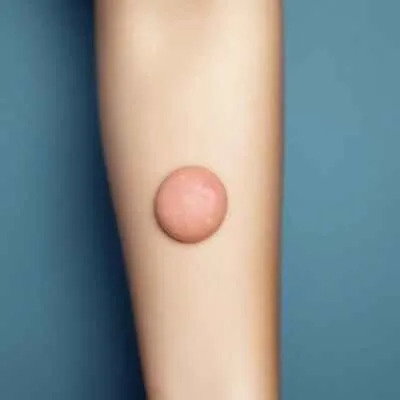
What Is a Lipoma?
A lipoma is a benign (non-cancerous) tumor made up of fat cells. It typically forms just beneath the skin and feels soft, doughy, and movable when pressed. Lipomas can appear anywhere on the body but are most commonly found on the neck, shoulders, back, arms, and thighs.These growths are usually slow-growing and painless. However, in some cases, they may become uncomfortable if they press on nearby nerves or grow large enough to interfere with movement.
Common Causes and Risk Factors
The exact cause of lipomas is not always clear, but several factors may contribute to their development:
- Genetics: Lipomas often run in families, suggesting a hereditary component
- Age: They are more common in adults between the ages of 40 and 60
- Injuries: Some theories suggest that minor trauma can trigger fat cell growth
- Medical conditions: Certain conditions, such as adiposis dolorosa, may increase the likelihood of multiple lipomas
Although lipomas are generally harmless, it is still important to monitor any new or changing lumps on the body.
Signs and Symptoms to Watch For
Most lipomas are easy to recognize based on their physical characteristics. Common signs include:
- A soft, rubbery lump under the skin
- Easy to move when touched
- Usually painless, though some may cause discomfort
- Slow growth over time
It is important to seek medical evaluation if a lump becomes painful, hard, or grows rapidly, as these could indicate other conditions that require attention.
Diagnosis of Lipoma
Diagnosis is typically straightforward and involves a physical examination. A healthcare provider will examine the lump’s size, texture, and mobility. In some cases, additional tests may be recommended to confirm the diagnosis or rule out other conditions.These may include:
- Ultrasound: Helps determine whether the lump is solid or fluid-filled
- MRI or CT scan: Provides a more detailed image of the tissue
- Biopsy: A small sample of tissue may be taken to confirm it is benign
Accurate diagnosis is a crucial first step before considering any treatment options, especially for those exploring Lipoma Treatment in Muscat.
Treatment Options for Lipoma
Treatment is not always necessary for lipomas unless they cause discomfort or cosmetic concerns. However, several effective treatment options are available.
1. Surgical Removal
The most common and definitive treatment for lipomas is surgical excision. During this procedure, the lipoma is carefully removed from the surrounding tissue.
- Typically performed under local anesthesia
- Provides a permanent solution
- Minimal scarring if done properly
- Quick recovery in most cases
Surgical removal is often recommended when the lipoma is large, painful, or growing.
2. Liposuction
Liposuction is another method used to remove lipomas, especially larger ones. A small incision is made, and a thin tube is used to suction out the fatty tissue.
- Less invasive than traditional surgery
- May result in a smaller scar
- Not always suitable for all types of lipomas
However, liposuction may not remove the entire lipoma capsule, which could lead to recurrence in some cases.
3. Steroid Injections
Steroid injections can help shrink the size of a lipoma but do not remove it completely.
- Non-surgical option
- May reduce inflammation and size
- Multiple sessions may be required
This option is typically used when surgery is not preferred or necessary.
4. Observation (Watchful Waiting)
If the lipoma is small, painless, and not growing, a doctor may recommend simply monitoring it over time.
- No immediate treatment required
- Regular check-ups to monitor changes
- Suitable for asymptomatic cases
This conservative approach is often chosen for individuals who are not experiencing any discomfort.
What to Expect During Recovery
Recovery after lipoma treatment depends on the method used. Surgical removal usually requires a short recovery period.
- After surgery: Mild swelling, bruising, or discomfort may occur
- Healing time: Typically a few days to a couple of weeks
- Stitches: May need to be removed after several days, or may dissolve on their own
- Aftercare: Keeping the area clean and following medical advice is essential
Patients are usually able to return to normal activities quickly, especially if the procedure was minor.
When to Seek Medical Advice
It is important to consult a healthcare professional if:
- A lump grows rapidly
- The lump becomes painful or hard
- There are multiple lumps appearing suddenly
- There are changes in color or texture
Early evaluation ensures that the condition is properly diagnosed and treated if necessary.
Lipoma Treatment in Muscat: What to Consider
For individuals considering Lipoma Treatment in Muscat, there are several factors to keep in mind:
- Availability of modern medical facilities
- Access to experienced healthcare professionals
- Use of advanced diagnostic tools
- Personalized treatment approaches
Many individuals prefer seeking treatment in well-equipped medical environments that offer a combination of safety, expertise, and patient-centered care. Consulting with a qualified medical professional can help determine the most suitable treatment plan based on individual needs.
FAQs About Lipoma Treatment
1. Is a lipoma dangerous?
No, lipomas are generally benign and not dangerous. However, medical evaluation is recommended to confirm the diagnosis.
2. Can a lipoma go away on its own?
Lipomas usually do not disappear without treatment. They may remain the same size or grow slowly over time.
3. Does lipoma removal hurt?
The procedure is typically done under local anesthesia, so patients usually do not feel pain during removal. Mild discomfort may occur afterward.
4. Can lipomas come back after removal?
Yes, there is a possibility of recurrence, especially if the entire lipoma capsule is not removed.
5. Is lipoma treatment necessary?
Treatment is not always necessary unless the lipoma causes pain, discomfort, or cosmetic concerns.
6. How long does recovery take after lipoma removal?
Recovery is usually quick, often taking a few days to a couple of weeks depending on the size and location of the lipoma.
Lipoma treatment is a straightforward and effective process when approached with the right information and care. With proper diagnosis and treatment, individuals can manage lipomas safely and confidently, leading to improved comfort and peace of mind.
Read More About Lipoma Treatment: https://666972af349f3.site123.me/blog/is-surgery-the-best-lipoma-treatment-find-out-here